
2026-10-08 · Mike Henderson
Early Warning Signs of Sewer Backup in St. Louis Basements
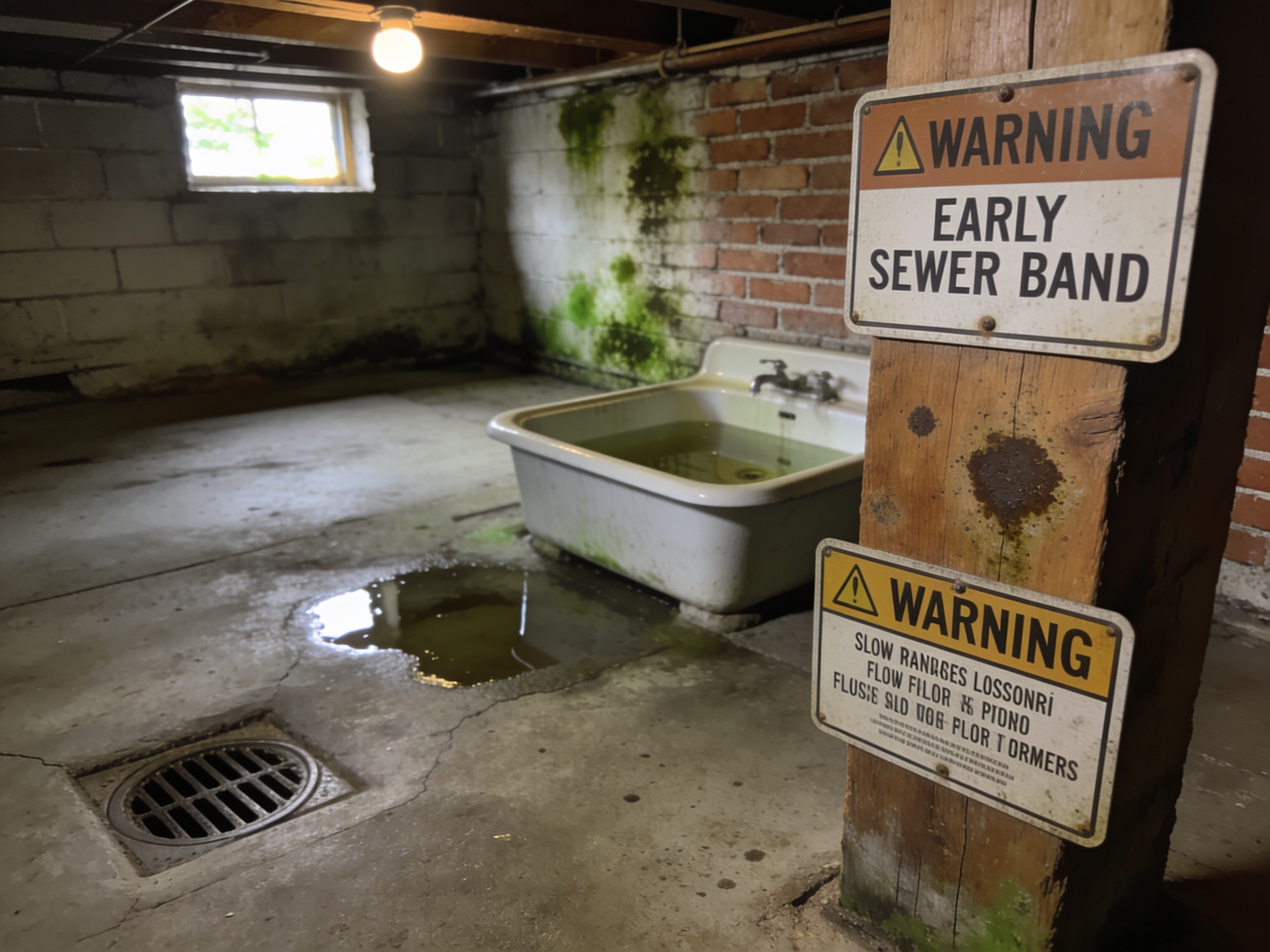
Early warning signs of a sewer backup in St. Louis basements often include gurgling noises from drains, slow draining fixtures throughout the house, and unpleasant sewer odors emanating from sinks, toilets, or floor drains. These indicators typically signal a blockage forming in your main sewer line, which can affect all plumbing fixtures simultaneously. Given St. Louis's older housing stock, especially in neighborhoods like Tower Grove South or Lafayette Square, cast iron pipes are common and prone to corrosion and root intrusion over decades of service. Addressing these early signs promptly is crucial to prevent a full-blown backup, which can lead to thousands of dollars in water damage, mold remediation, and significant disruption to your home life. Ignoring these initial red flags can quickly escalate a minor clog into a major plumbing emergency, particularly during heavy spring rains that can surcharge municipal sewer systems.
The Gurgle: A Soundtrack to Trouble
One of the most common and often overlooked early signs of an impending sewer backup is gurgling sounds coming from your drains or toilet. This isn't just a quirky plumbing noise; it's a clear indication of air trapped in your drainage system, struggling to escape past a blockage. You might hear this gurgling when flushing a toilet, running water in a sink, or even when your washing machine drains. In St. Louis homes, especially those with original plumbing systems from the early to mid-20th century, these sounds can often be attributed to years of grease buildup, foreign objects, or even tree roots infiltrating the main sewer line. The gurgling is essentially your plumbing system gasping for air, and it's a sign that the wastewater isn't flowing freely, creating negative pressure as it tries to bypass an obstruction. Paying attention to these subtle auditory cues can give you a critical head start in preventing a more severe issue. If you hear gurgling from multiple fixtures, it's a strong indicator that the problem isn't isolated to one drain but affects the main line.
Sluggish Drains: A Universal Warning
Another significant early warning sign is slow draining fixtures throughout your home, not just in one isolated spot. If your kitchen sink is draining slowly, your shower is pooling water around your ankles, and your toilet seems sluggish to flush, these are all red flags pointing to a potential main sewer line issue. Unlike a single clogged drain, which might be a local problem like hair in a bathroom sink, multiple slow drains suggest a blockage further down the line, affecting the entire system. In areas across St. Louis, like the Central West End with its mature trees, tree roots are a common culprit for slow-draining sewer lines. These roots can exploit tiny cracks in pipes, growing into a dense mass that obstructs flow. The clay soil prevalent in the Across Missouri area can also put pressure on older sewer lines, leading to cracks that invite root intrusion. Addressing these slow drains early can prevent the complete cessation of flow and the inevitable backup into your basement. Ignoring them allows the blockage to grow, making it harder and more costly to clear. For more insights on how roots impact pipes, consider reading our article on How Tree Roots Impact Sewer Lines in Missouri Clay Soil.
Foul Odors: A Clear Indication
An unmistakable sign of sewer line problems is the presence of foul, sewage-like odors emanating from your drains, especially in your basement. Under normal circumstances, your plumbing system is designed to create a water seal in P-traps, preventing sewer gases from entering your home. However, when a sewer line is partially blocked, wastewater can back up, pushing these noxious gases past the water seals and into your living spaces. These odors are not only unpleasant but can also indicate the presence of harmful bacteria and gases. In St. Louis, particularly during humid summer months, these odors can become more pronounced as warmer temperatures can exacerbate the release of gases from stagnant sewage. If you notice a persistent smell of rotten eggs or raw sewage coming from your basement floor drain, utility sink, or even your bathroom fixtures, it's a strong signal that your sewer line is not functioning correctly and requires immediate attention. This is often one of the last warnings before a full backup occurs, as the gases are being forced back into your home due to pressure from the blockage.
What to Do When You Spot the Signs
If you observe any of these early warning signs in your St. Louis home, it's crucial to act quickly. The first step is to reduce water usage as much as possible to avoid exacerbating the problem. Avoid flushing toilets, running dishwashers, or taking showers. Next, contact a local drain cleaning professional who understands the unique plumbing challenges of the Across Missouri area. An experienced technician will likely use a Drain Camera Inspection to accurately diagnose the cause and location of the blockage without invasive digging. This technology is invaluable for identifying issues like root intrusion, pipe corrosion, or significant grease buildup, which are common in older St. Louis homes. Depending on the diagnosis, solutions could range from Drain Snaking to clear smaller blockages to more robust methods like Hydro Jetting for stubborn clogs or extensive grease accumulation. Proactive intervention can save you from the messy and expensive ordeal of a full sewer backup, protecting your basement and your peace of mind.